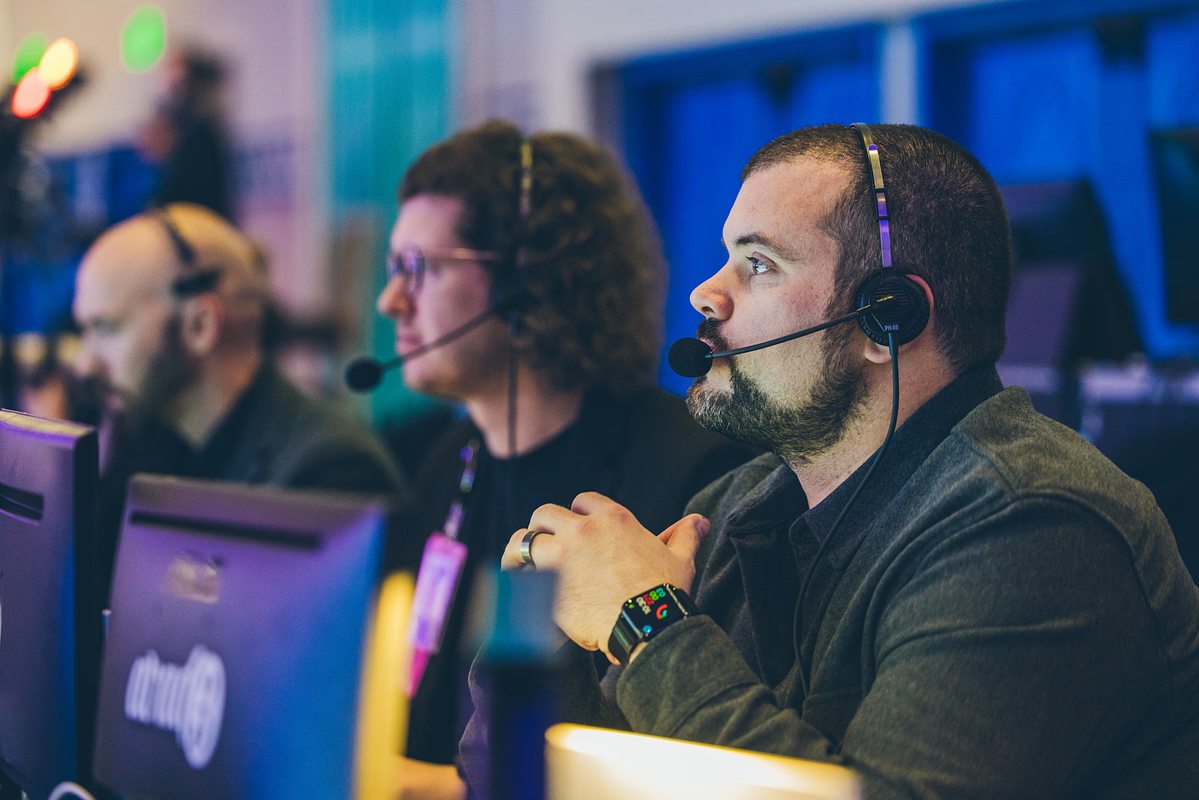
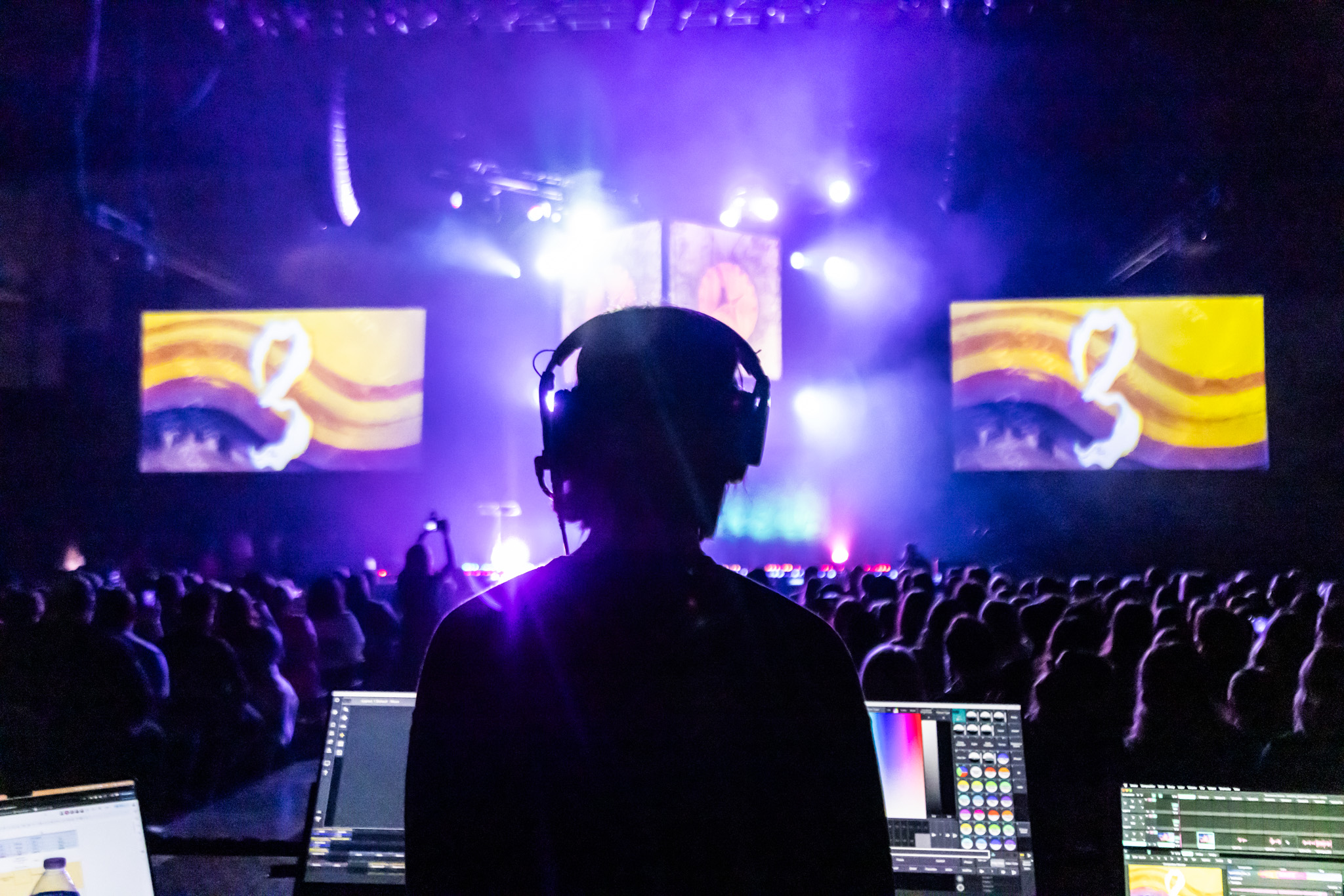
At avad3, we’re all about clarity, coordination, and cost-conscious choices. And when it comes to crew communication headsets, commonly referred to in our world as “comm,” those values matter more than ever.
Whether you’re producing a national conference or a one-room leadership summit, this guide is designed to help you—the event planner—understand your options, avoid overspending, and not find yourself under-equipped onsite.
Let’s break it down.
What Is “Comm”?
In live events, “comm” (short for communications) is the shorthand term used for the headset systems that production crews wear to talk to each other during your event. You might hear a stage manager say, “Is everyone on comm?” or a camera op ask, “Can I be on comms with the TD?”
From seasoned brands like Clear-Com and Telex, to newer players in the space, these systems all do one thing: keep the crew in sync—quietly, cleanly, and without guesswork. But just like sound systems or lighting packages, there are tiers of gear depending on what your show needs.

Why Comm Matters
If your show has multiple crew members working in sync, especially across multiple departments like audio, video, lighting, cameras, and stage management—then comm matters.
Here’s when comm is especially important:
- When the crew is spread across a room or backstage
- When the event has technical cues (lighting transitions, video rolls, walk-on music, etc.)
- When you have more than one camera capturing the action
- When missing a cue could ruin the moment
On the flip side, if your show is one podium mic, one PowerPoint, and one video… you might not need anything at all.
Your Six Options (Ranked Like T-Shirts)
We’ve simplified things to help clients budget like pros. Think of these comm options like t-shirt sizes: Small to XL.
| Tier | System Type | Typical Crew Size | Price per Person / Day | Example Total (2-Day Show) |
| 0 | No Comm | 1–3 | $0 | $0 |
| 1 | Two-Way Radios | 3–6 | ~$10 | ~$80 (4 crew) |
| 2 | Wired Single-Channel Comm | 4–8 | ~$25 | ~$400 (8 crew) |
| 3 | Wireless Single-Channel Comm | 6–8 | ~$50 | ~$800 (8 crew) |
| 4 | Wireless Multi-Channel Comm | 10–15 | ~$150 | ~$4,500 (15 crew) |
| 5 | Hybrid / Matrixed Systems | 25–40 | Mix of the above | ~$7,000–10,000+ |
Let’s walk through each one.
Option 0: No Comm
Yes, this is an option. If your entire crew is sitting elbow-to-elbow at a single tech table, we can just… talk. If there are only two or three crew members and minimal cues, save the budget and skip comm.
Option 1: Two-Way Radios
$10 per person per day
You know these. Restaurants use them. Retail stores use them. So do breakout room techs. They’re simple, cost-effective, and they work great across distance, like when your breakout rooms are 200 yards apart.
But: Only one person can talk at a time (“push-to-talk”), and there’s no hands-free way to communicate mid-show. So they’re helpful for logistics, not for fast-paced cues.
Best use: Breakout techs or camera ops in remote corners of a venue.
Option 2: Wired Single-Channel Comm
$25 per person per day
Think: theater-style party line. Everyone hears everything, all the time. If your camera ops are parked on tripods and not moving, this is a solid low-budget option.
Downside? You’re physically tethered to a cable. Even operators who seem like they could be fixed (like teleprompter ops) often need to move around and troubleshoot—and being wired can get in the way.
Best use: Fixed camera teams in a ballroom or auditorium.
Option 3: Wireless Single-Channel Comm
$50 per person per day
This is our most common client recommendation. These wireless headsets are self-contained—no belt pack, just one headset that does it all.
You can walk freely across a room, communicate with the whole crew at once, and stay completely hands-free. It’s perfect for typical crews of 6–8 (PM, audio, video, lighting, 1–2 cameras). And it’s affordable.
Best use: General sessions, medium-sized shows, or any event where being wireless is key.
Option 4: Wireless Multi-Channel Comm
$150 per person per day
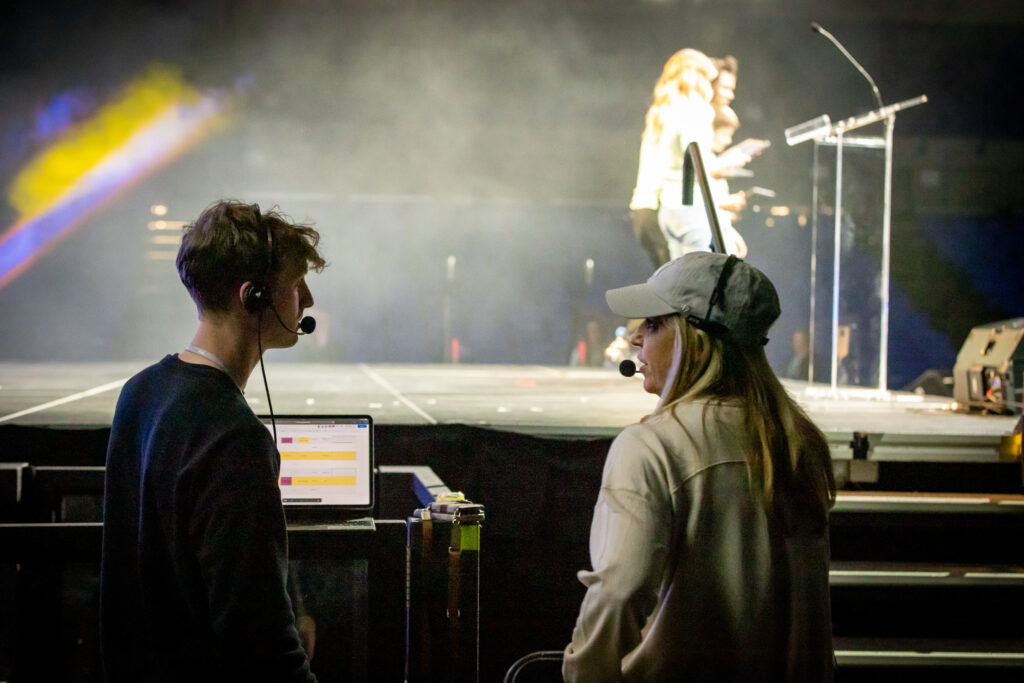
This is what we use on our bigger shows. Think 12–15 crew members across multiple departments—each needing to talk separately without clogging up a single channel.
With multi-channel comm, audio can talk to audio. Cameras can talk to the director. The stage manager can cue the walk-on while teleprompter and graphics revise slides. All at once. It’s the difference between chaos and control.
Best use: Main stage productions, multiple-camera shoots, multi-cue rehearsals, or anything high-stakes.
Option 5: Hybrid / Matrixed Systems
Mixed pricing — scaled setups
These systems combine wired, wireless, and multi-channel all into one custom-designed ecosystem—often with a dedicated technician managing the comm system itself. You’ll find these setups in broadcast environments or large-scale touring shows.
It’s not a one-size-fits-all system—it’s a tailored solution, often reserved for 25+ person crews or shows with complex routing needs.
Best use: Broadcast, arena tours, or shows with 25+ people on comm.
What We Want Clients to Know
- You don’t need to overbuy. A show doesn’t need wireless multi-channel comm just because it sounds cool.
- You don’t want to under-equip. A missed cue can wreck a moment—and a memory.
- We’re here to help you choose. That’s what this post is for.
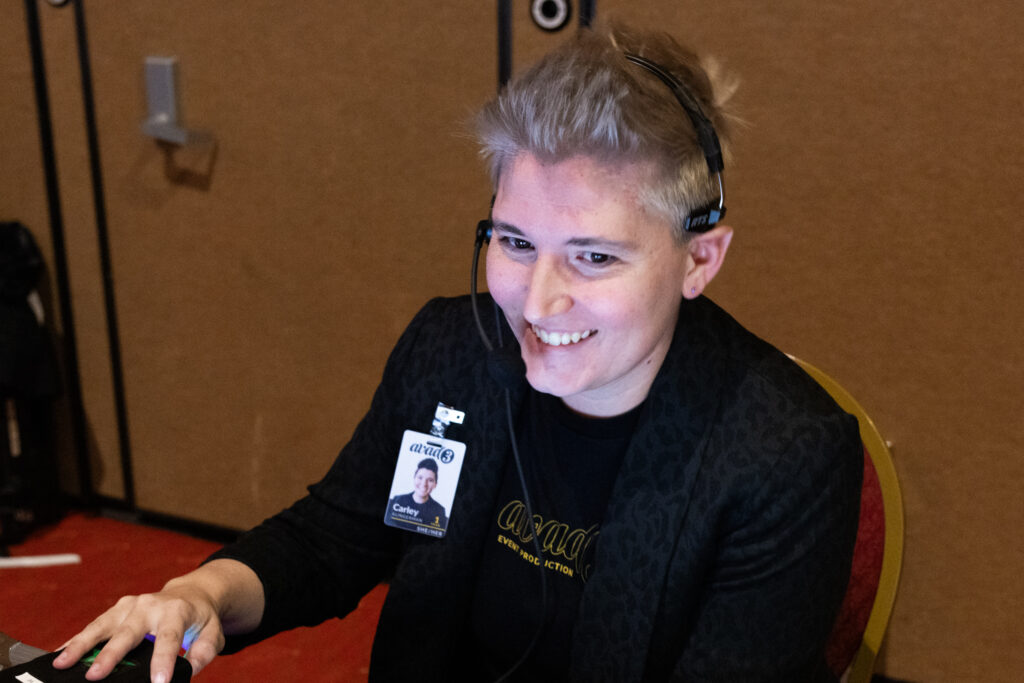
We own and operate all of these systems in-house, from our warehouse in Arkansas, and we deploy them nationwide every week. If you’ve got a show coming up and aren’t sure what you need, we’ll walk you through it.
This article is part of our broader mission to help clients make smart, informed decisions—because smart shows run smoother. And smooth shows make everyone look good.
Thanks for reading.